Dedicated to helping patients with bowel cancer live well for longer
Pelican Cancer Foundation is a medical research and education charity. We are the only charity in the UK dedicated solely to the research, training and advancement of precision surgery for bowel cancer and its associated secondary diseases, particularly in the liver.
Bowel cancer is the 4th most common cancer in the UK and the 2nd biggest cancer killer. Every year nearly 43,000 people are diagnosed and sadly more than 16,500 people die of it. However, it can be treatable and curable if diagnosed early. Surgery often remains the most effective treatment for bowel cancer.
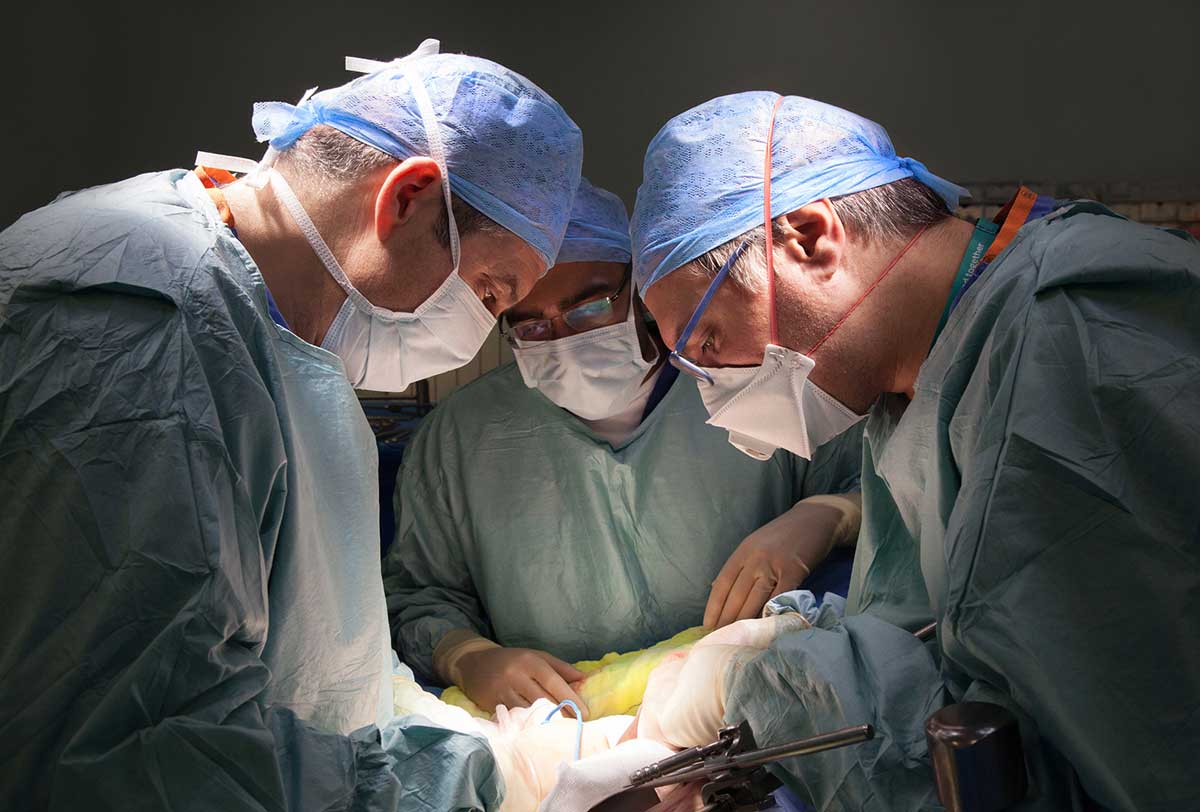
“In our view, all surgeons should come and see the experts work at Pelican. The bottom line is they’ll save lives as a result”
Professor Alex Deutsch, Chair of the Yanir Foundation for the Advancement of Colorectal Surgery, Israel
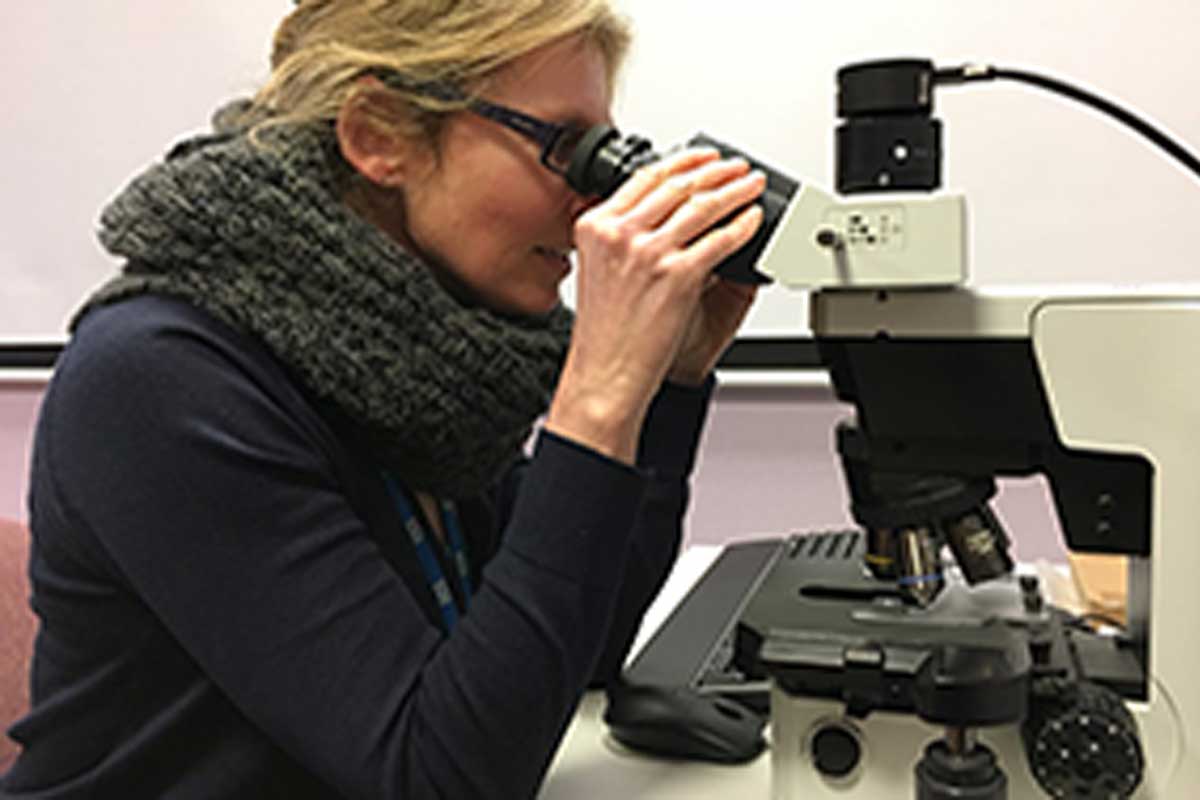
Research
Pelican has funded numerous projects through its grant programme over the last two decades, with research awards totalling over £2 million. Previous large grants were supported by government funding which Pelican no longer receives. In order to maximise the impact of its charitable donations, Pelican now aims to focus on providing pump-priming via small grants for pilot projects focusing on precision treatment aiming to improve both survival and quality of life for patients with bowel cancer.
Pelican is pleased to announce its next call for grant funding applications will be on 1st August 2025, (closing date 5th September 2025).
Your application will be reviewed by our independent Research Review Panel and communications will be sent in due course.
Further information on how to apply: click here
Education
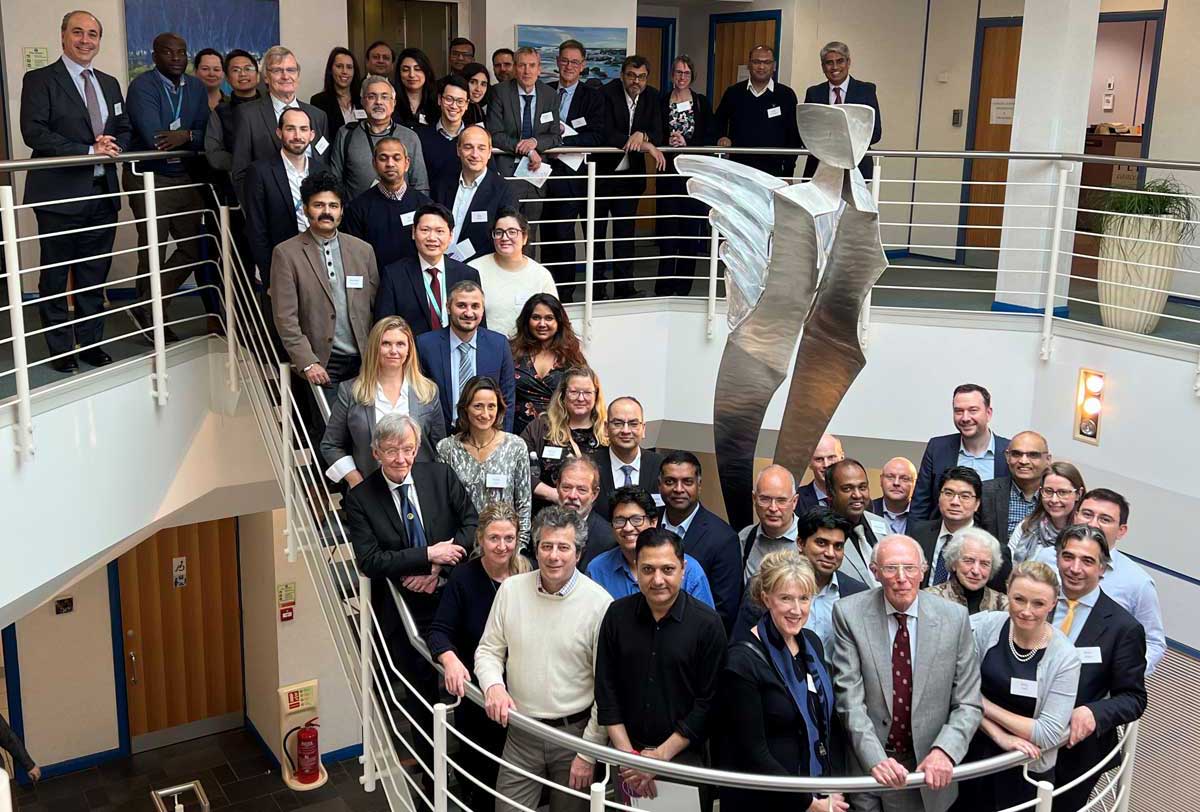
Each year Pelican delivers a series of education courses for healthcare clinicians from a range of disciplines including surgery, pathology, radiology, oncology and nursing.
These ground-breaking workshops and conferences cover the latest advances in cancer treatment, technology and surgical techniques and are run by an exceptional faculty of multi-disciplinary specialists.
- OReCO Dublin 2nd September 2025
- OReCO Belfast 4th September 2025
- KHP: Kent & Hampshire Hospitals NET 12th Meeting 3rd October 2025
- OReCO Scotland 8th October 2025
- OReCO Southwest 6th November 2025
- OReCO West Midlands 21st January 2026
To hear more about the OReCO National Education Programme from Miss Amy Lord, Consultant Colorectal Surgeon and Pelican Research & Education Consultant: click here






We receive no government funding and rely on the generosity of our donors to support our work
THANK YOU